Walk down any commercial strip in Ikeja, Surulere, or Lekki, and you will see billboards promising that a two-day weekend seminar can turn a complete beginner into a full-time currency trader.
The reality of trading in Lagos is very different. Unstable power, sudden internet latency spikes, and volatile exchange rates mean Nigerian retail traders face structural hurdles that traders in London or New York never think about.
If you are looking for a physical or structured academy in Lagos to learn how the financial markets actually operate, flashy Instagram screenshots of rented cars and profit dashboards should be an immediate red flag. Here is what to actually evaluate before paying tuition for any forex training program in Nigeria.
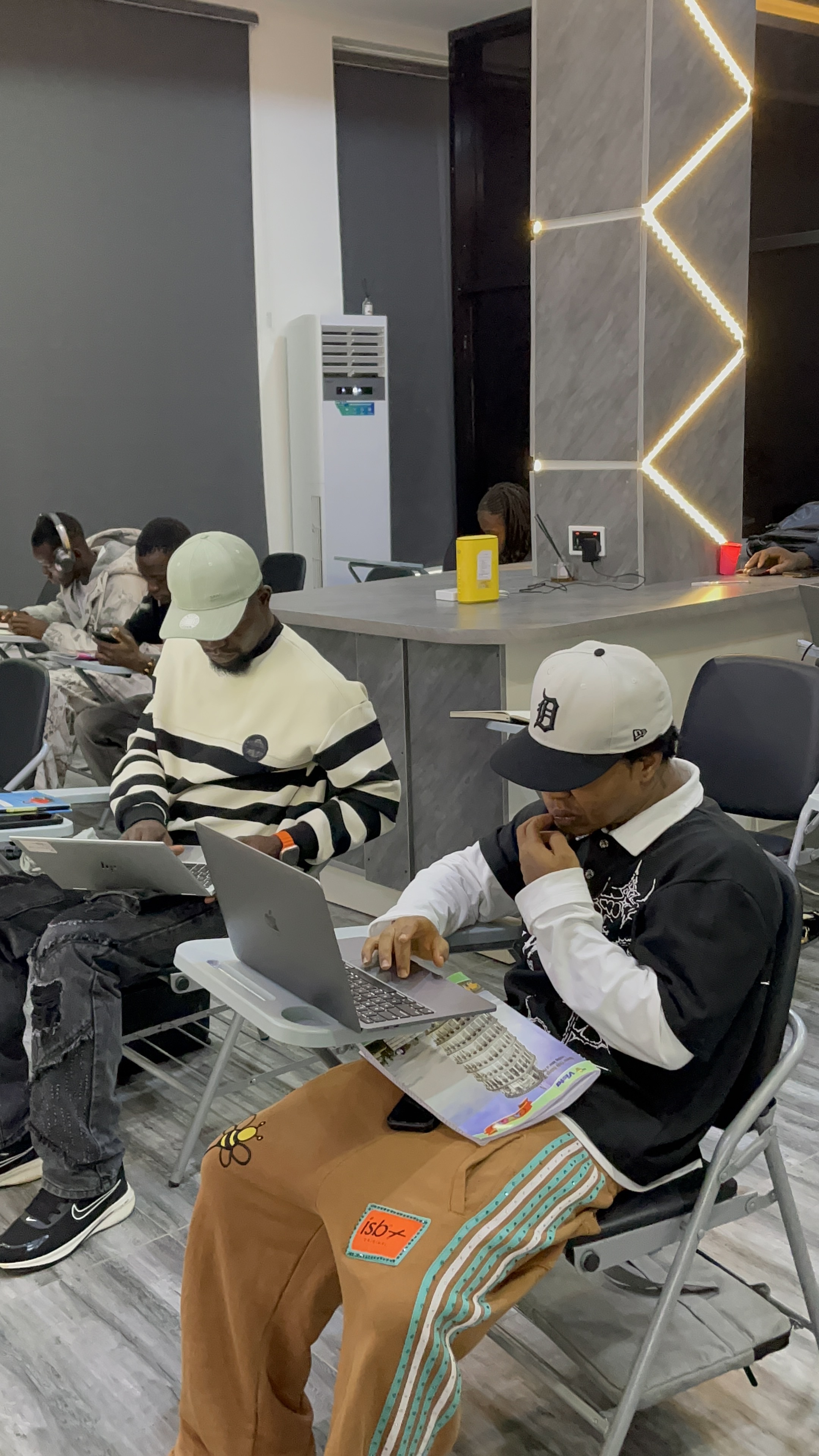
1. Demand an In-Person Physical Trading Floor
Anyone can open a Telegram channel, buy a cheap microphone, and call themselves a mentor. But real trading requires psychological conditioning, risk discipline, and watching price action unfold in real time during active market sessions.
- Why physical presence matters: Learning during the London/New York session overlap (between 1:00 PM and 5:00 PM West Africa Time) is fast-paced. Sitting on a trading floor next to experienced analysts while candles form teaches you how to react to news spikes and liquidity sweeps far better than watching pre-recorded videos alone.
- Infrastructure check: Does the academy provide dedicated backup power systems (inverters/generators) and dual high-speed fiber internet? If a training center cannot keep uninterrupted connectivity during volatile US non-farm payroll (NFP) releases, it cannot properly train you.
2. Live Risk Management Over Signal Groups
The quickest way an academy extracts recurring subscription fees is by funneling students into a "VIP signals channel."
A signal group does not educate you; it creates dependency. The moment the signal provider experiences a standard losing streak or shuts down the group, you are left with blown account equity and zero technical understanding of why the trades were executed.
A legitimate academy focuses on risk-to-reward ratios and capital preservation from day one:
- Teaching you why risking more than 1% to 2% of your account balance per trade guarantees long-term drawdown.
- Explaining how currency lot sizing interacts with your broker's margin requirements.
- Training you to view trading as probabilistic risk management rather than high-stakes gambling.
3. Clear Separation Between Education and Broker Affiliation
Many local "institutes" in Nigeria are merely white-label sales fronts for unregulated offshore brokers. Their primary business model is not teaching you how to read market structure; it is collecting commission rebates on the volume of trades you place whether you win or lose.
Ask the lead instructors directly:
- Are students forced or pressured to deposit money exclusively with one specific partner broker to access the curriculum?
- Or does the academy teach platform-agnostic technical analysis that you can execute on MetaTrader 4, MetaTrader 5, or cTrader across any regulated broker of your choice?
At institutions like Firepips, the emphasis is placed on technical chart literacy understanding liquidity, order blocks, and market sessions, so students develop independent analytical skills that work on any broker platform globally.
4. Continuous Mentorship and Community Accountability
Trading is an isolating skill. Most beginners give up not because the technical concepts are too complicated, but because they have no one to review their trade journal when they hit a string of inevitable losses.
Look for a program that offers active desk reviews:
- Can you sit down weekly with a senior analyst to break down your losing trades?
- Is there an active community of fellow students trading live sessions together daily?
Finding the right academy comes down to skipping the lifestyle marketing and choosing structured market literacy, reliable local infrastructure, and experienced mentors who show you how to navigate global capital markets safely.