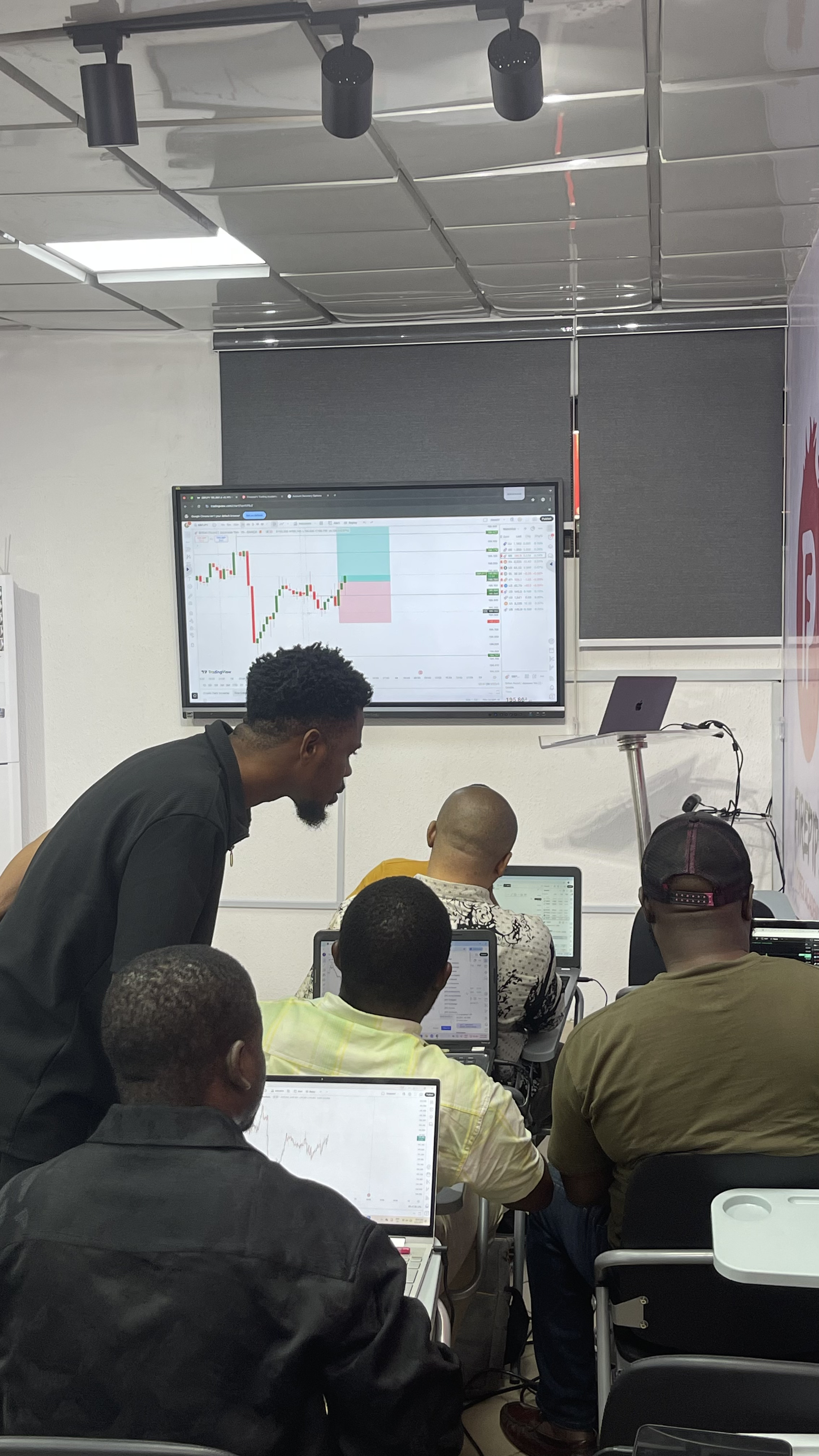
Forex trading has exploded in popularity in Nigeria over the past decade. From young graduates seeking financial independence to working professionals hoping to create an additional income stream, forex is attracting millions of Nigerians daily. The appeal is easy to understand: stories of traders turning small capital into huge profits circulate widely on social media, sparking hope and ambition. However, the reality is not as glamorous as it looks.
For every success story, there are countless traders who lose their savings due to mistakes that could have been avoided.
The problem is not that forex is a scam; it’s that many Nigerians enter the market with little preparation, unrealistic expectations, and poor strategies. Like any other skill be it medicine, law, or engineering, forex requires education, discipline, and patience. Sadly, many skip this foundational process and jump straight into live trading, only to face disappointment.
This article sheds light on the 10 most common mistakes Nigerian forex traders make and, more importantly, provides practical solutions to avoid them. Whether you are a beginner trying to understand forex or an experienced trader still struggling to make consistent profits, the insights shared here will help you refine your trading approach and safeguard your money.
By the end, you will have a clear roadmap on what not to do in forex and how to build a more sustainable trading journey.
Number One: Trading Without Proper Education
One of the most widespread mistakes among Nigerian traders is diving into forex without adequate education. Many people hear about forex from friends, WhatsApp groups, or flashy Instagram ads promising quick riches. They download a trading app, deposit a few dollars, and begin buying and selling currencies without even understanding how the forex market works.
This lack of knowledge is the fastest route to losing money. Forex is not a guessing game; it involves analyzing global economies, understanding price charts, reading candlesticks, and applying technical and fundamental strategies. Without a foundation, you are basically gambling, and the market will punish you for it.
In Nigeria, where internet data is relatively expensive and reliable information is sometimes difficult to access, many traders rely on shortcuts. They pay so-called “mentors” who only share half-baked strategies or signals, instead of taking the time to build a solid foundation. This creates a cycle of dependency and repeated losses.
How to Avoid This Mistake:
- ✅ Dedicate at least 3-6 months to learning forex before trading live.
- ✅ Take advantage of free resources from websites like BabyPips, Investopedia, and YouTube.
- ✅ Enroll in reputable forex academies (both online and local) if you can afford them.
- ✅ Practice on a demo account before risking real money.
Think of forex like driving a car: you wouldn’t hit the highway without learning the basics first. The same principle applies to trading, you need proper education before you put your money on the line.
Number Two: Using Excessive Leverage
Leverage is one of forex’s most attractive yet dangerous features. In simple terms, leverage allows traders to control large positions with a relatively small deposit. For example, with 1:500 leverage, a trader with just $100 can control $50,000 worth of trades. This sounds exciting because it promises higher profits but it also magnifies losses just as quickly.
Many Nigerian brokers advertise extremely high leverage to lure new traders. Sadly, inexperienced traders see it as a shortcut to making money faster, without realizing it increases their risk of blowing an account. A single bad trade with high leverage can wipe out weeks or even months of hard work.
Another issue is that Nigerian traders often misunderstand margin calls. They believe brokers “manipulate” trades to make them lose money, while in reality, it is the misuse of leverage that drains their accounts.
How to Avoid This Mistake:
- ✅ Start with lower leverage, such as 1:50 or 1:100, until you gain more experience.
- ✅ Never risk more than 1-2% of your trading account per trade.
- ✅ Focus on building steady profits instead of chasing quick money.
In forex, leverage is like a sharp knife; it can help you cook a great meal or it can cut your hand if not handled properly. Learn to use it responsibly.
Number Three: Ignoring Risk Management
Risk management is the backbone of successful trading, yet it is one of the most neglected aspects among Nigerian traders. Many beginners trade with their entire account on one position, hoping for a big win. Others refuse to use stop-loss orders, believing the market will eventually “turn back in their favor.” Unfortunately, the market doesn’t care about hope; it moves on supply, demand, and global events.
Emotional trading is also a big problem. After a few losses, some Nigerians start “revenge trading,” risking even more money to recover what they lost. This often leads to a complete account wipeout. Without a structured risk management plan, no trader can survive long-term in forex.
How to Avoid This Mistake:
- ✅ Always use a stop-loss order to protect your capital.
- ✅ Never risk more than 2% of your account balance per trade.
- ✅ Diversify your trades instead of putting all your money in one currency pair.
- ✅ Keep a trading journal to track mistakes and learn from them.
Trading without risk management is like driving a car without brakes, you may enjoy the speed for a while, but eventually, a crash is inevitable.
Number Four: Overtrading
Overtrading is another common pitfall in Nigeria’s forex community. Many traders believe that the more trades they place, the higher their chances of making money. In reality, overtrading leads to poor decision-making, emotional fatigue, and eventually, account losses.
There are two main types of overtrading:
- - Revenge Trading – Entering new trades immediately after a loss to “win back” money.
- - Greed Trading – Taking too many trades after a profitable run, thinking the winning streak will last forever.
Both are dangerous because they cloud judgment and force traders to ignore their strategies. Nigerians are particularly vulnerable to overtrading because of the culture of “hustle” and the desire for quick returns. The result is often frustration and burnout.
How to Avoid This Mistake:
- ✅ Create a trading plan and stick to it.
- ✅ Limit yourself to 1–3 high-quality trades per day.
- ✅ Take breaks between trading sessions to reset your emotions.
- ✅ Avoid trading out of boredom, wait for the right setups.
In forex, patience pays more than activity. Remember, professional traders make their money from a few high-probability trades, not from chasing every market move.
Number Five: Falling for Forex Scams
Sadly, Nigeria has become a hotspot for forex-related scams. From fake brokers to fraudulent “signal providers,” scammers prey on the desperation of people looking for quick wealth. Many traders lose thousands of naira to Ponzi schemes disguised as forex investments, where they are promised unrealistic returns like “10% daily profit.”
Others fall victim to unregulated brokers who manipulate spreads, delay withdrawals, or shut down accounts without explanation. Social media has made it even easier for scammers to lure victims with flashy lifestyles and fake testimonials.
How to Avoid This Mistake:
- ✅ Avoid any investment promising guaranteed profits, forex carries risks, and no one can guarantee consistent returns.
- ✅ Research brokers before depositing money; check reviews and ratings online.
- ✅ Be wary of “mentors” or “signal sellers” who flaunt rented cars and houses to attract followers.
If it sounds too good to be true, it probably is. Protect your money by verifying every opportunity before investing.
NUmber Six: Trading Without a Plan
One of the biggest reasons Nigerian forex traders lose money is because they trade without a solid plan. Many beginners open their MetaTrader app, scan through random currency pairs, and place trades purely based on “gut feeling.” While luck might work once in a while, relying on it consistently is a recipe for disaster. A trading plan acts as your roadmap, it outlines when to enter a trade, how much to risk, and when to exit. Without it, you are like a football team playing without a strategy, hoping to win against well-prepared opponents.
A good trading plan should include your risk management rules, your entry and exit strategies, the number of trades you will take per day, and even your emotional rules. For example, you may decide not to trade after two consecutive losses, or to stop trading once you hit your daily profit target. Nigerian traders often skip this step because they see planning as boring or unnecessary, but in reality, planning is what separates professionals from gamblers.
How to Avoid This Mistake:
- ✅ Write down a detailed trading plan before going live.
- ✅ Back-test your strategy on historical charts to confirm its effectiveness.
- ✅ Stick to your plan no matter what, even when tempted to “try something new.”
- ✅ Adjust the plan only after gathering enough data, not because of one bad trade.
Trading without a plan is like embarking on a road trip without a map. You might get lucky and arrive at your destination, but most likely, you’ll get lost along the way.
Number Seven: Trading Based on Emotions
Emotions are the silent killers of many Nigerian forex accounts. Fear, greed, and impatience often override logic and lead traders to make poor decisions. For example, fear makes traders close winning trades too early, while greed keeps them holding onto losing trades, hoping they’ll “turn around.” Impatience pushes traders to enter trades even when no clear setup is present, just because they can’t wait.
The Nigerian trading environment adds more pressure because of financial struggles and high unemployment. Many traders desperately need quick profits to pay bills or support their families. Unfortunately, this desperation amplifies emotional trading and results in even bigger losses.
How to Avoid This Mistake:
- ✅ Never trade when you are angry, tired, or under financial pressure.
- ✅ Accept that losses are part of trading, they don’t define your skill.
- ✅ Use smaller lot sizes so your emotions don’t spiral out of control.
- ✅ Keep a trading journal to track emotional patterns and correct them.
Remember, forex trading is 20% strategy and 80% psychology. Mastering your emotions is what will keep you consistent in the long run.
Number Eight: Neglecting Fundamental Analysis
Many Nigerian traders focus only on technical charts and indicators, ignoring the role of fundamental analysis. While candlestick patterns and moving averages are useful, forex prices are also influenced by global news interest rate decisions, inflation data, employment reports, and political events.
For example, a sudden announcement by the US Federal Reserve can cause massive price swings in the dollar, regardless of what your chart setup says.
Neglecting fundamentals means you could be caught off guard by unexpected market moves. Some Nigerian traders have lost their entire accounts because they held trades during major news releases without realizing how impactful such events can be.
How to Avoid This Mistake:
- ✅ Stay updated with an economic calendar to know when important news will be released.
- ✅ Learn how key events like Non-Farm Payroll (NFP) or interest rate announcements affect currency pairs.
- ✅ Avoid trading during high-impact news if you are not experienced enough.
- ✅ Combine both technical analysis and fundamental analysis for a balanced approach.
Ignoring fundamentals is like trying to play football without knowing the rules eventually, you’ll get penalized by the market.
Number Nine: Copying Others Blindly
Social media is full of self-proclaimed “forex gurus” flaunting expensive cars, exotic trips, and screenshots of huge profits. Many Nigerian traders fall into the trap of copying these people blindly, whether by following their trades, buying their signals, or using their “magic indicators.” Unfortunately, most of these so-called mentors are either scammers or traders who only show their wins while hiding their losses.
Blindly copying others prevents you from developing your own skills. Even if a strategy works for someone else, it may not suit your risk tolerance, lifestyle, or trading psychology. What works for a full-time trader in London might not work for a student trading part-time in Lagos.
How to Avoid This Mistake:
- ✅ Learn the basics yourself before trusting anyone else.
- ✅ If you use signals, treat them as learning tools, not guaranteed profits.
- ✅ Focus on developing your own trading system that matches your personality.
- ✅ Be skeptical of traders who never show losses, no one wins all the time.
In forex, you can copy someone’s trades but not their mindset or discipline. That’s why self-reliance is key.
Number Ten: Unrealistic Profit Expectations
Perhaps the most common mistake Nigerian forex traders make is expecting to get rich overnight. Many enter forex believing they can turn $100 into $10,000 within a month, inspired by misleading ads and flashy success stories. This unrealistic expectation leads them to over-leverage, overtrade, and eventually lose everything.
The truth is, forex trading is not a get-rich-quick scheme. Professional traders aim for consistent returns of 5-10% monthly, not 500%. Compounding small, steady profits over time is what creates wealth not chasing jackpots. Nigerian traders often fail because they don’t understand this principle and keep gambling instead of trading strategically.
How to Avoid This Mistake:
- ✅ Set realistic goals, such as aiming for steady monthly growth.
- ✅ Focus on preserving your capital instead of doubling it overnight.
- ✅ Understand that trading is a marathon, not a sprint.
- ✅ Celebrate small wins; they add up over time.
Forex is like farming: you can’t plant a seed today and expect a harvest tomorrow. Patience and consistency are the keys to long-term success.
Forex trading has massive potential in Nigeria, but only for those who approach it with the right mindset and discipline. The majority of traders lose money not because forex is impossible, but because they repeat the same avoidable mistakes trading without education, using excessive leverage, ignoring risk management, and falling for scams.
By understanding and avoiding these 10 common mistakes, Nigerian traders can increase their chances of becoming profitable. Success in forex doesn’t come from luck or shortcuts it comes from preparation, discipline, and continuous learning.
If you are serious about making forex a reliable source of income, commit to improving daily, avoid shortcuts, and remember that the goal is long-term sustainability, not overnight riches
5 Unique Frequently Asked Questions
Q1: Can I really make a living from forex trading in Nigeria?
Yes, but it requires years of learning, discipline, and consistent practice. Don’t expect instant results.
Q2: What is the safest way for Nigerians to start trading?
Start with a demo account, learn the basics, and use small capital with strict risk management on a regulated broker.
Q3: How much money do I need to start forex trading in Nigeria?
You can start with as little as $50–$100, but for meaningful returns, $500-$1,000 is better.
Q4: How can I know if a forex broker is legit in Nigeria?
Check if they are regulated by international authorities like FCA, ASIC, or CySEC. Avoid brokers with poor withdrawal records.
Q5: Is forex trading halal or haram for Nigerian Muslims?
Opinions vary among scholars. Generally, trading itself can be halal if done ethically, but avoid interest-based accounts (swap accounts).